Developing the Foundations of a Botanical Textile Workshop
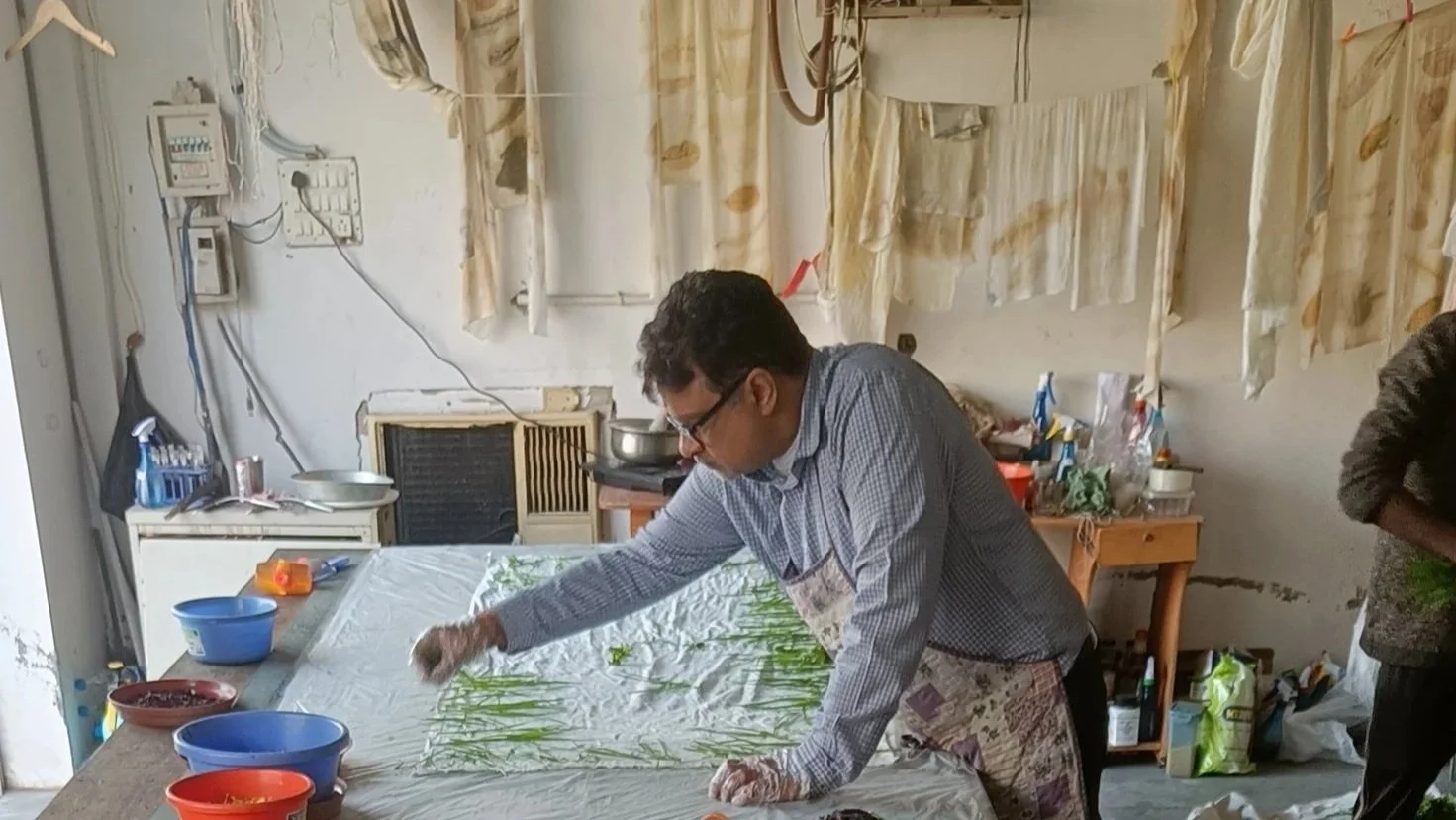
This initiative explores botanical printing and material-based textile production within a small-scale workshop environment.
My work focuses on strengthening the foundations of the project through research, strategic development, and business planning. This includes exploring materials, production approaches, and potential partnerships.
The project also provides an opportunity to investigate how textile production practices may evolve, including emerging approaches around circularity and responsible resource use and working with materials grown within the same environment as the workshop.

Context
This initiative is developed within a small textile workshop in Punjab with long experience in weaving fabrics and scarves.
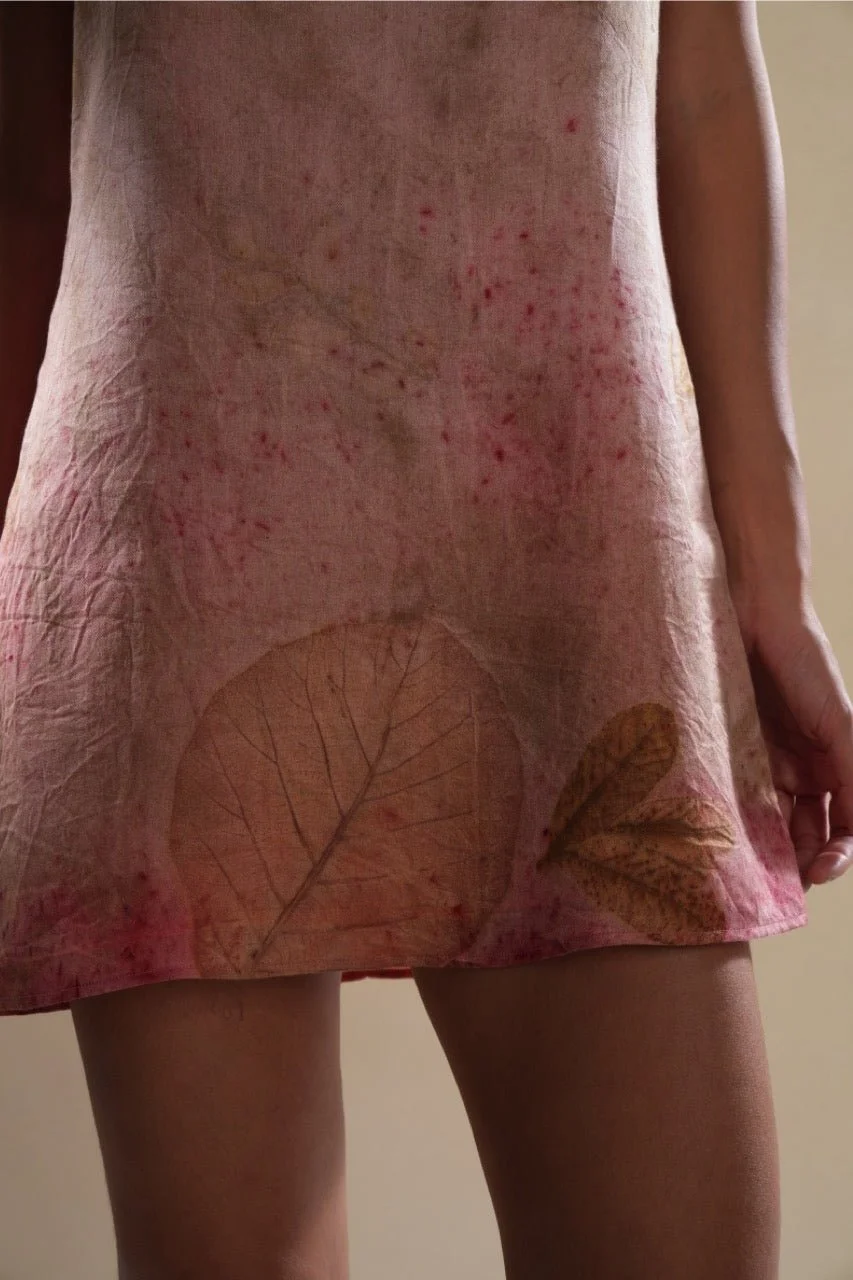
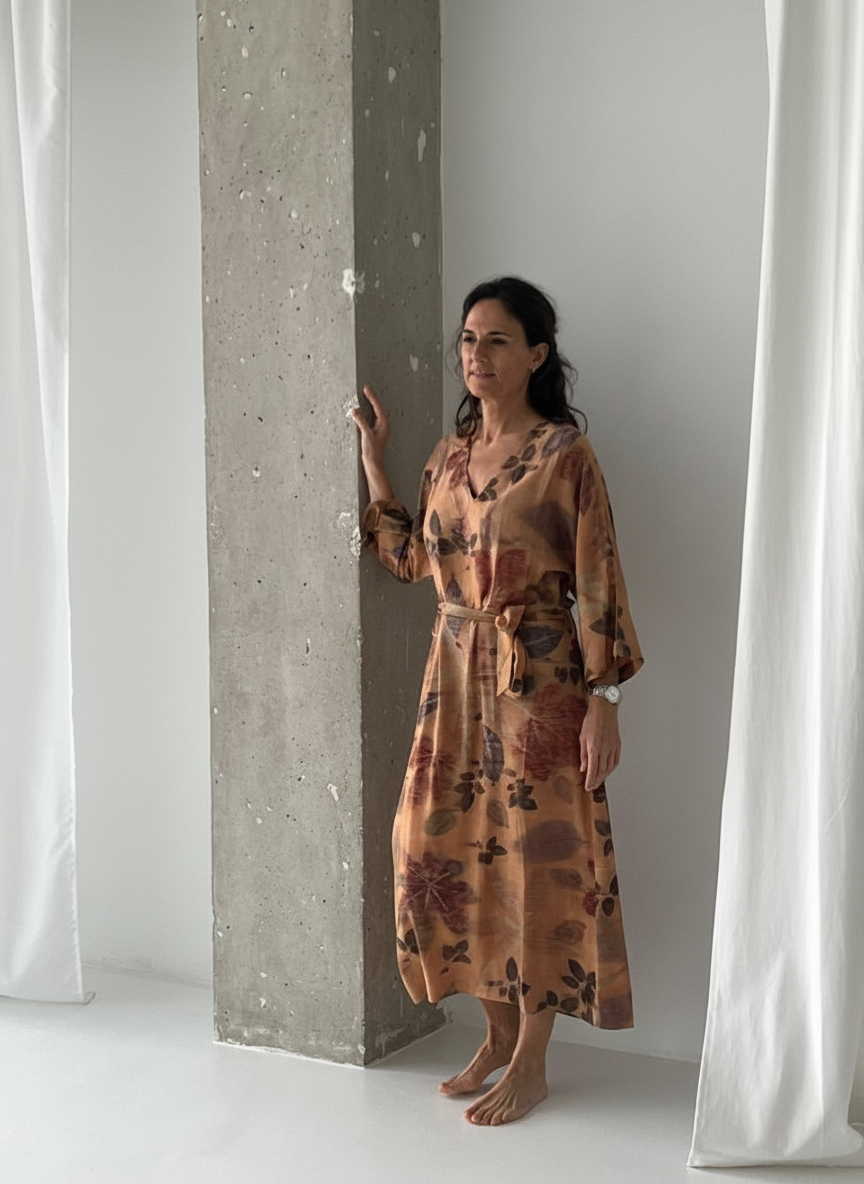
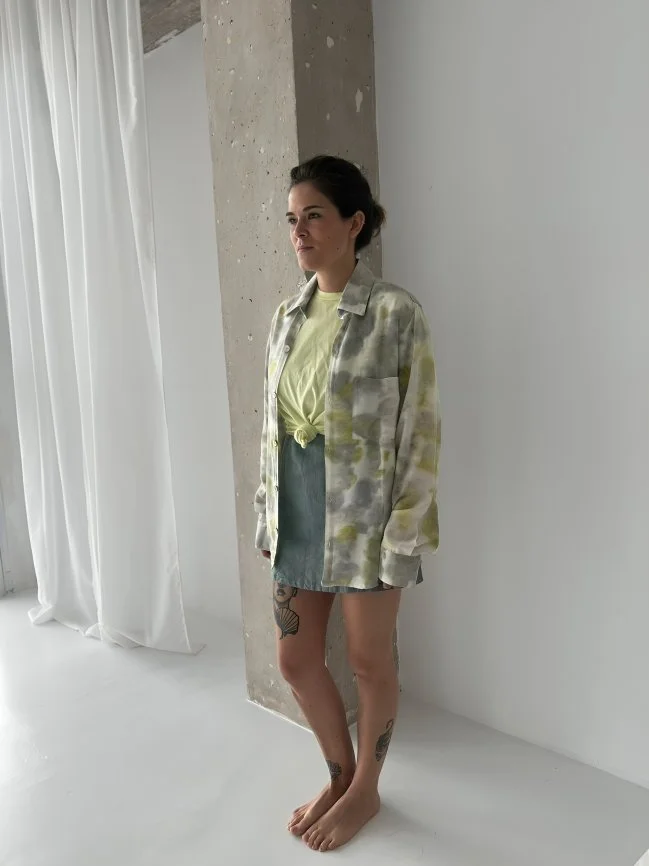
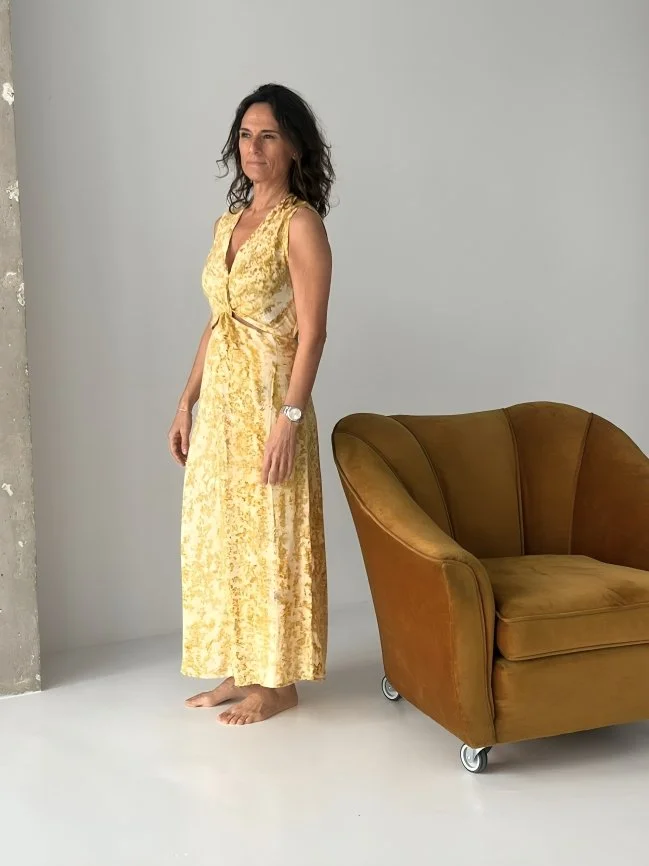
Since 2024, the workshop has been exploring botanical imprints and plant-based transformations on textiles, using leaves, flowers, bark, and other natural materials.
The work builds on an existing production environment, combining textile knowledge with experimentation around materials and natural processes.
The Approach
The workshop operates as both a production space and a living garden.
A large part of the botanical materials used are grown in our own potager, where fruits, vegetables, and plants have been cultivated for 17 years.
Rather than sourcing from commercial farms, the process relies on:
fallen leaves
flowers that have completed their cycle
pruning residues
naturally available plant materials
This creates a continuous relationship between soil, plants, and textiles, where materials are not extracted but observed and used with care.
The process is inherently seasonal and exploratory. Each plant interacts differently with fibres such as wool, silk, or cotton, and the outcome cannot be fully standardised.
Working in this way requires adapting to natural cycles rather than fixed production calendars. The approach is therefore material-led, with production evolving in response to what is available at a given moment.
Both the cultivation of botanical materials and the imprinting process are carried out entirely by hand, linking the growth of materials directly with the making of the textile.
My Role
I work on the strategic and development side of the initiative.
This includes:
strengthening the foundations and business model of the project
positioning the workshop for direct collaboration with brands
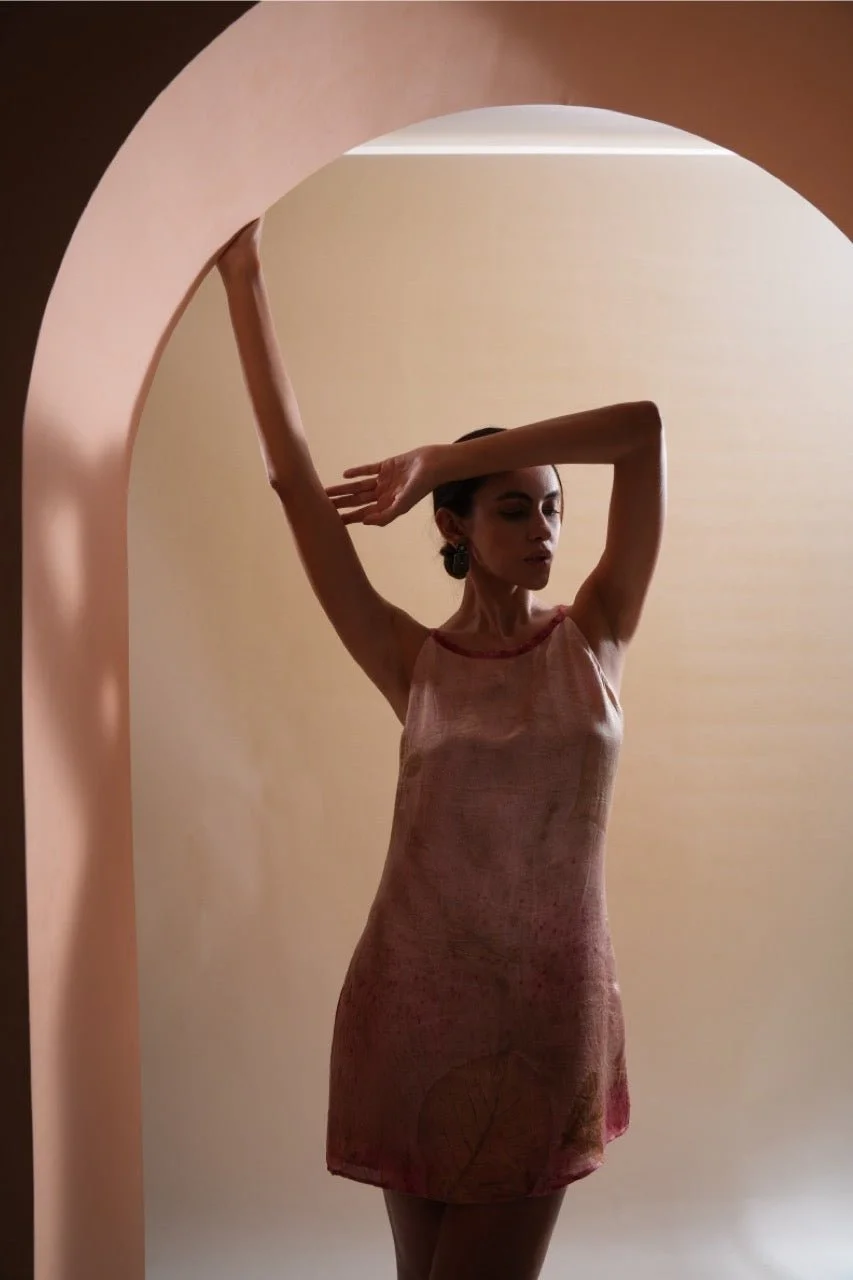
structuring how the practice can translate into products and collections
supporting the development of partnerships and communication
My role sits between the workshop, the materials, and the brands we aim to collaborate with.
The Process
The work combines textile production with botanical experimentation:
fabrics are woven within the workshop environment
plant materials are selected based on availability and season
botanical elements are carefully placed by hand onto the fabric and processed to transfer their colour and imprint
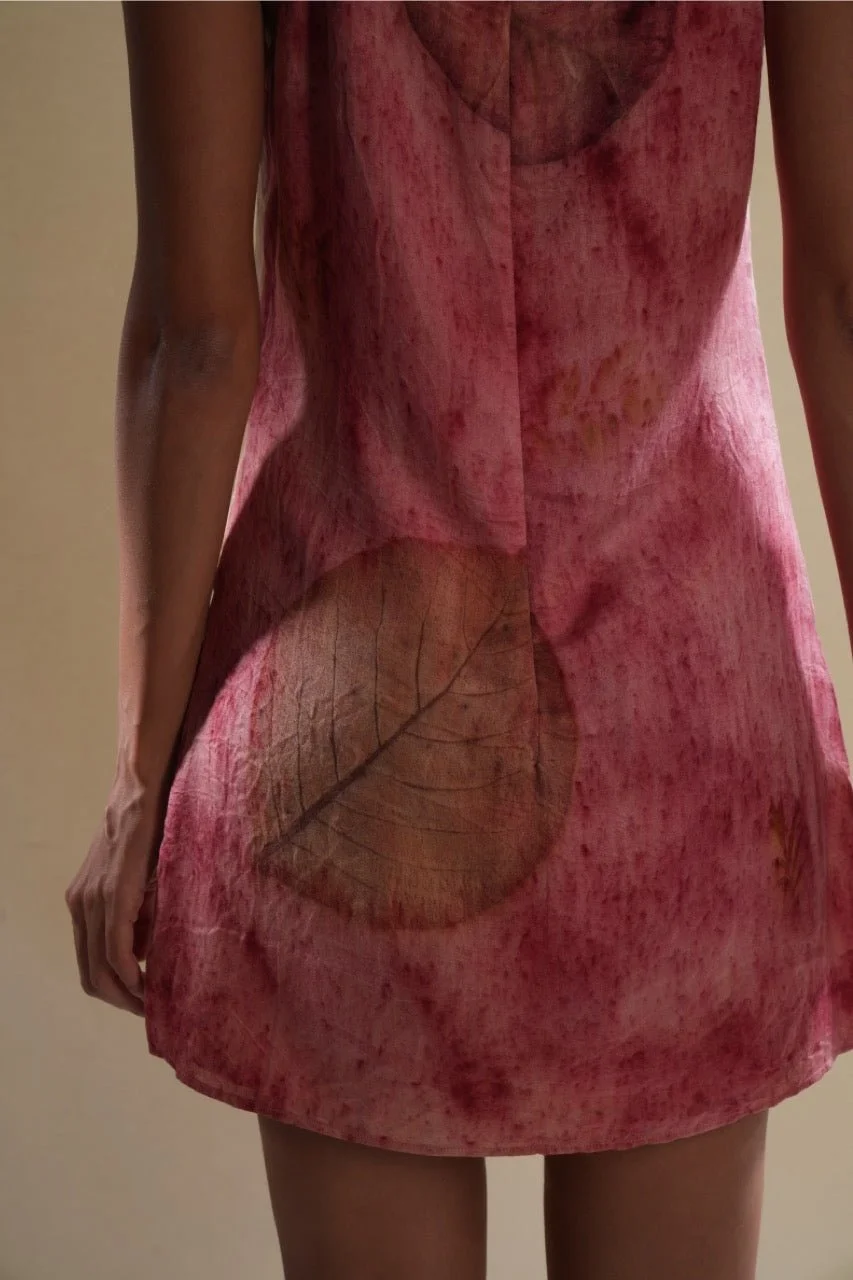
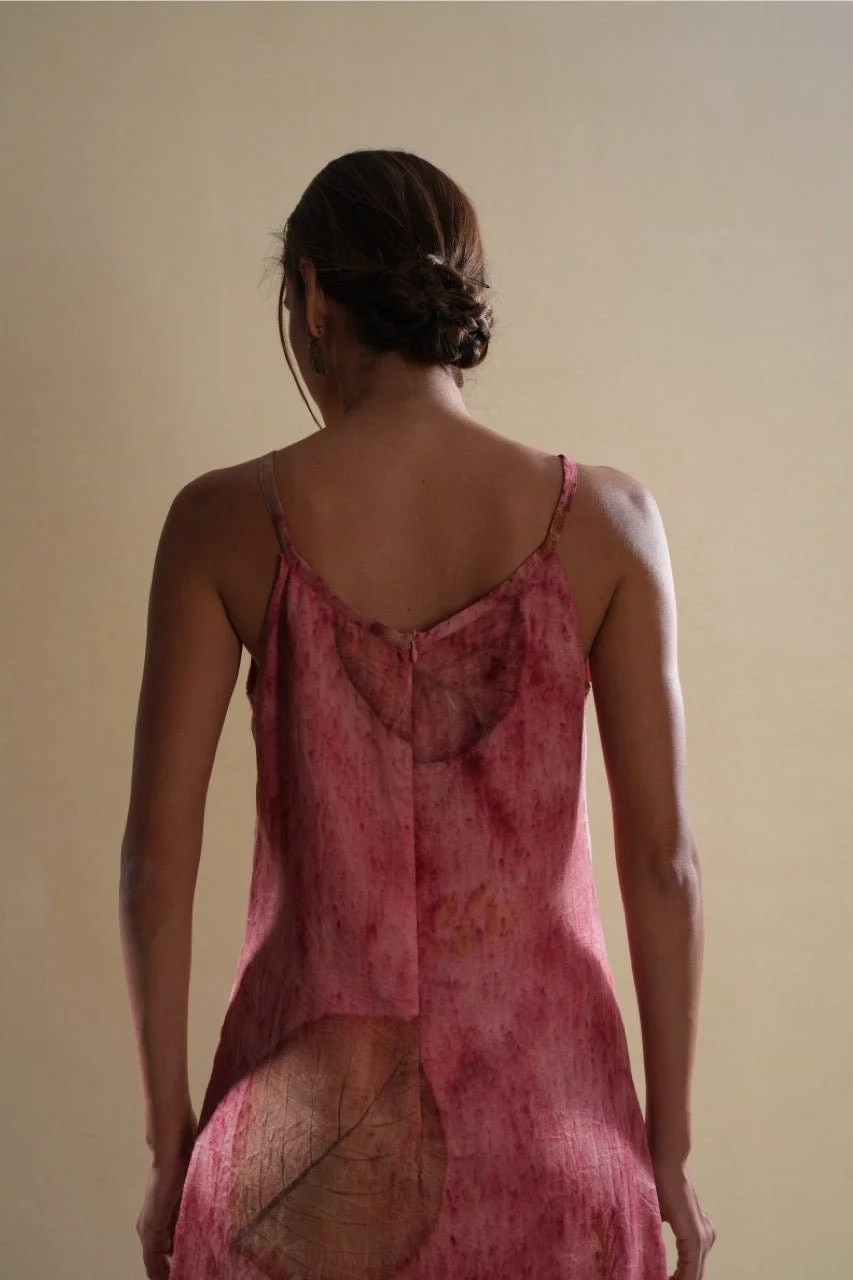
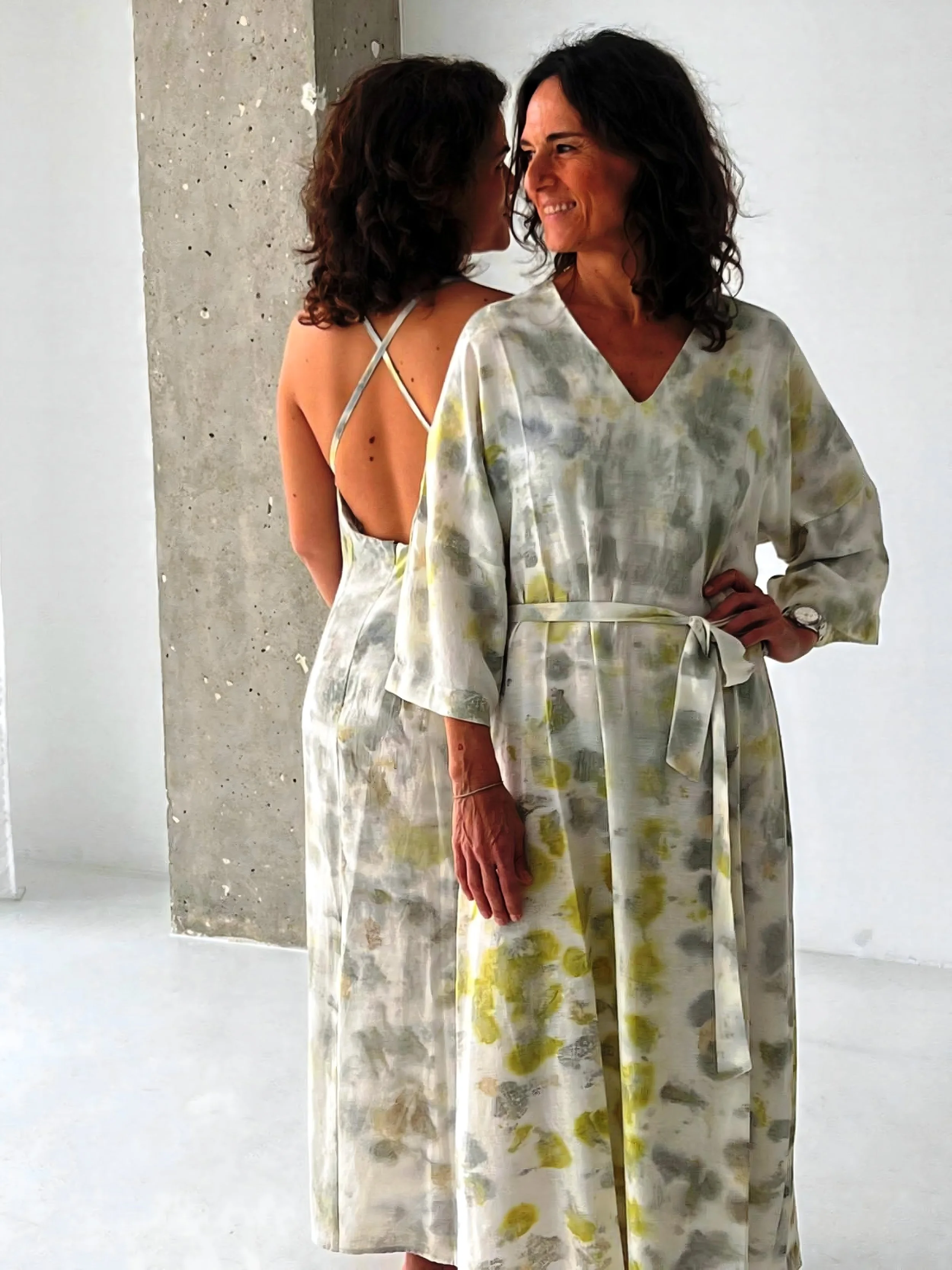
the fabric is revealed, carrying the imprint of natural interactions
Because of this:
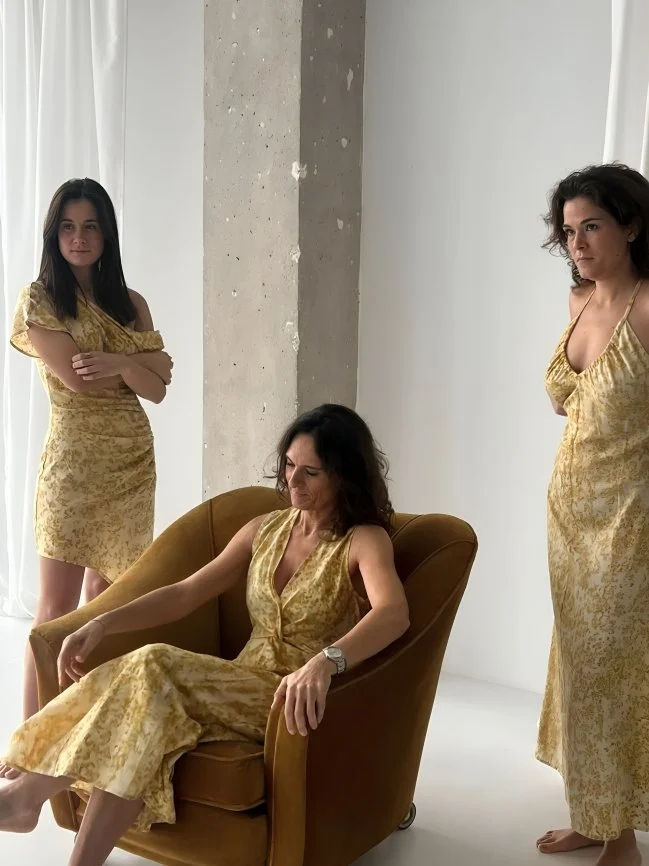
each piece reflects material and seasonal variations
production follows natural rhythms rather than fixed calendars
the process remains small-scale and material-driven
Each stage involves manual intervention, making the process both precise and dependent on human observation.
Materials
The work primarily involves natural fibres such as wool, silk, pashmina, and cotton.
Botanical elements include leaves, flowers, bark, and plant-based residues such as beetroot or turmeric by-products.
There is an ongoing effort to work with existing resources, including unused or imperfect yarns and fabrics, and to explore sourcing fibres more directly.
Material Systems & Resource Use
The process is built around material cycles that are closely linked to the workshop environment.
use of native and biodegradable natural fibres
reliance on locally available, homegrown botanical materials
reuse of plant waste and textile deadstock
water used in processing is returned to the garden and surrounding land
This is an evolving practice, continuously refined through observation and experimentation.
Working with Brands
The workshop is developing ways to collaborate directly with brands.
The approach is based on:
material-led development, guided by what is available in nature
small-scale production aligned with the process
co-creation rather than standardised outputs
transparency around how materials and processes influence results
We are particularly interested in working with brands that value:
thoughtful material use
transparency and traceability
long-term relationships with workshops
a more artisan-led, niche approach to textile development
What Makes This Work Different
rooted in a real textile workshop, not only experimentation
based on homegrown materials and natural cycles
combines production knowledge with material exploration
prioritises process over standardisation
creates textiles shaped by time, season, and interaction with nature
entirely hand-led process, from cultivation of materials to final imprint
Reflection
This work is as much about rethinking textile production as it is about creating fabrics.
It explores how materials, people, and processes can come together differently, and how workshops can develop new ways of engaging with brands and the wider supply chain.